The Role of Rotating Electrical Connectors in High-Speed Automation
Understanding Rotating Electrical Connectors
What Are Rotating Electrical Connectors?
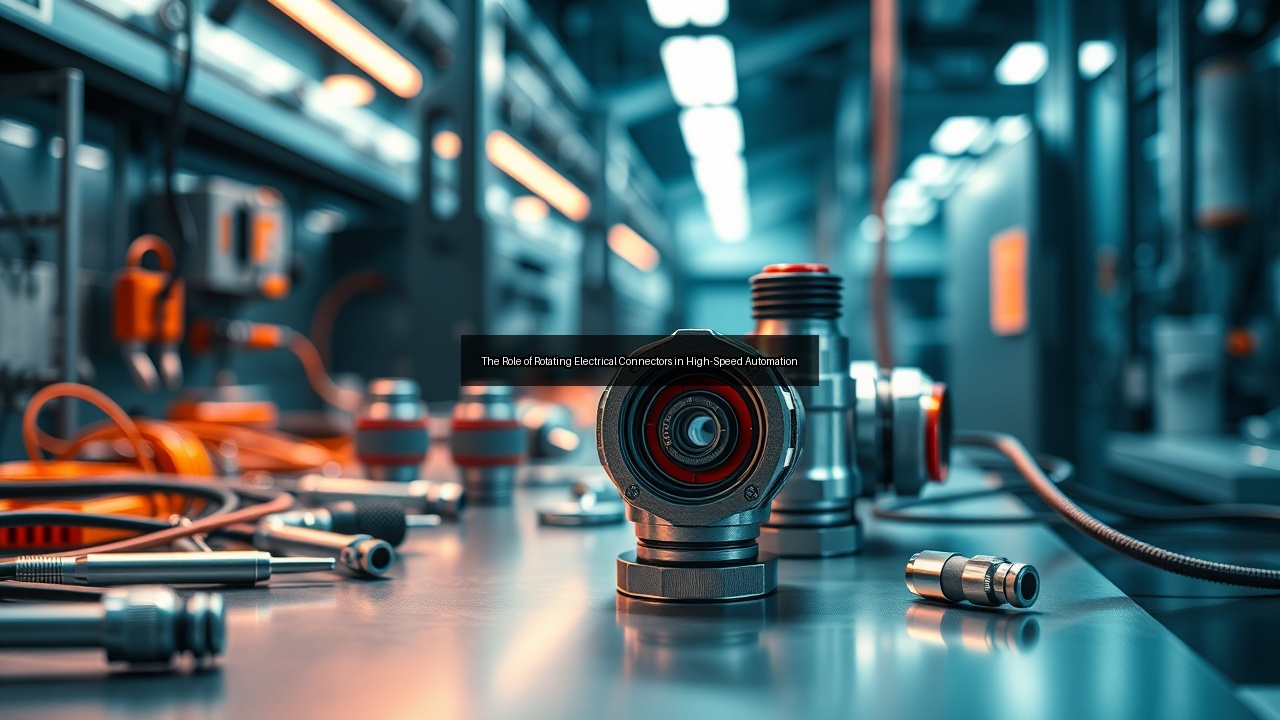
Rotating electrical connectors transmit power and signals across rotating interfaces without interruption. Engineers rely on these devices in systems where stationary wiring meets moving parts. A rotating electrical connector maintains continuous electrical contact while one component spins relative to another. This capability supports everything from industrial robots to precision test equipment. Unlike fixed wiring harnesses, these connectors prevent cable twisting and breakage during constant motion. Manufacturers design them to handle varying currents, voltages, and signal types within compact housings. The technology appears in both low-power data applications and high-current power circuits. Users select models based on rotation speed, environmental conditions, and required circuit count. Proper selection ensures reliable performance across millions of revolutions.
Key Components of Rotating Connectors
Every rotating electrical connector relies on a few core elements. The stator remains fixed while the rotor turns with the machine. Conductive rings or tracks on the rotor interface with brushes or contacts on the stator. Slip rings form the heart of most designs, providing low-friction pathways for current. Spring-loaded brushes maintain pressure against the rings to ensure consistent rotary electrical contact. Housing materials protect internal parts from dust, moisture, and vibration. Seals and bearings further extend service life in demanding environments. Some units incorporate adapters that allow quick integration with existing cable ends. Linear taper contacts appear in high-precision models to reduce resistance variation during rotation. Together these elements create a durable assembly that supports continuous operation at high speed.
How Rotating Connectors Function in Automation
Automation systems use rotating electrical connectors to deliver power and data to moving assemblies. A motor-driven shaft carries the rotor while sensors and actuators receive signals through the connector. As the shaft turns, slip rings transfer current without twisting attached cables. This arrangement eliminates downtime caused by cable fatigue. In high-speed automation lines, connectors must withstand thousands of revolutions per minute while preserving signal integrity. Engineers route wiring through the connector’s central bore or alongside it, keeping installations compact. The device also supports high voltage circuits when insulation and spacing meet safety standards. By maintaining steady rotary electrical contact, these connectors enable robots, conveyors, and rotary tables to operate without frequent maintenance stops. Integration begins with matching connector specifications to the machine’s speed and load requirements.
Applications of Rotating Electrical Connectors in High-Speed Automation
Integration in Robotics and Machinery
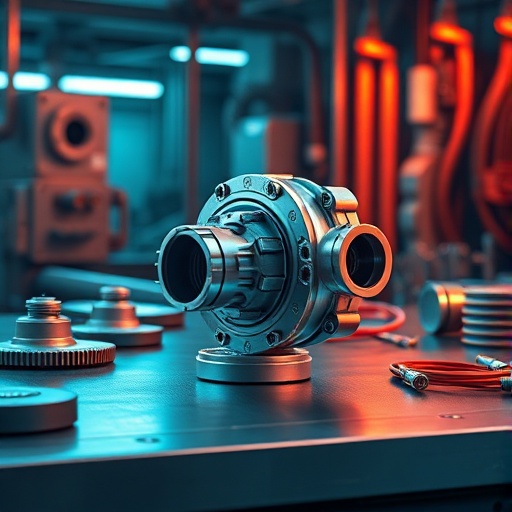
Robotic arms depend on rotating electrical connectors to route power and control signals through each joint. The connector sits at the axis of rotation, allowing the arm to twist continuously without cable wrap. Machinery builders embed these connectors inside rotary tables and indexing units that cycle at high speed. Each connector carries multiple circuits for motors, encoders, and pneumatic valves. Compact models fit inside tight joint housings while still handling the required current. Adapters simplify connection to standard industrial cables, reducing installation time. In packaging equipment, connectors support rapid indexing motions that demand both power delivery and precise feedback signals. Reliable performance at speed directly improves throughput and reduces unplanned stops. Designers verify connector ratings against peak loads and duty cycles before final assembly.
Role in High Voltage Systems
High voltage applications require connectors with increased insulation and wider contact spacing. Rotating electrical connectors rated for high voltage appear in wind turbine nacelles, large gantry cranes, and electric vehicle test stands. The design prevents arcing while the rotor spins under load. Engineers select materials that resist tracking and corona discharge at elevated voltages. Slip rings in these units often feature thicker plating to carry higher currents without overheating. Proper grounding and shielding keep electromagnetic interference within acceptable limits. High voltage connectors must also tolerate temperature swings and vibration common in industrial settings. Routine inspection of contact surfaces and insulation prevents failures that could damage expensive equipment. System integrators pair these connectors with appropriate surge protection to maintain uptime during continuous operation.
Use in Wireless Technology for Enhanced Connectivity
Wireless technology complements rotating electrical connectors by removing some signal lines from the slip ring assembly. Data that once traveled through physical contacts now moves via radio or optical links, reducing wear on the connector. Power still flows through traditional slip rings while control and sensor data travel wirelessly. This hybrid approach extends connector life in high-speed automation cells. Installers mount compact wireless modules near the rotating connector, keeping latency low. The combination supports real-time feedback loops essential for closed-loop motion control. Maintenance teams appreciate fewer physical contacts to inspect. Wireless technology also enables easier upgrades when new sensors require additional data channels without redesigning the connector. Overall, the pairing improves reliability and simplifies future expansion of automated systems.
Advantages of Using Rotating Electrical Connectors
Improved Speed and Efficiency
Rotating electrical connectors allow machines to reach higher operating speeds without cable restrictions. Fixed wiring limits rotation and forces designers to add slip mechanisms or limit travel. Connectors remove those constraints, enabling continuous 360-degree motion at elevated speeds. Faster cycle times translate directly into greater production output. Reduced cable mass on moving parts also lowers inertia, so motors consume less energy. Operators notice smoother acceleration profiles and tighter positioning accuracy. In high-speed automation, every millisecond saved per cycle compounds over thousands of parts per shift. The connector’s low-friction design further supports efficient power transfer with minimal voltage drop. These gains appear consistently across robotics, packaging, and material handling equipment.
Reduced Wear and Tear with Slip Rings
Slip rings inside rotating electrical connectors absorb rotational motion that would otherwise damage cables. Traditional wiring twists and fatigues after limited cycles. Slip rings maintain steady contact through brushes that ride on smooth rings, distributing wear evenly. Quality units last millions of revolutions before brush replacement becomes necessary. Lower friction also reduces heat generation at the contact points. Maintenance crews simply exchange brush assemblies rather than replacing entire cable harnesses. This approach cuts both parts cost and labor hours. In dusty or corrosive environments, sealed slip ring designs protect conductive surfaces and extend intervals between service. The result is longer equipment life and fewer unexpected breakdowns during high-speed production runs.
Versatility with Adapters and Linear Tapers
Adapters let engineers connect rotating electrical connectors to a wide range of cable types and connectors already present on the machine. Standard interfaces reduce custom fabrication and speed installation. Linear taper contacts inside certain models provide gradual resistance changes that suit sensitive analog signals. This feature improves measurement accuracy in encoder feedback and strain gauge circuits. Modular designs allow users to add or remove circuits by stacking sections. The same base connector can serve power, signal, or mixed applications simply by changing internal modules. Versatility reduces inventory requirements and simplifies spare parts management. Designers appreciate the ability to standardize on one connector family across multiple machine platforms while still meeting varying electrical demands.
Challenges and Considerations in Selecting Rotating Electrical Connectors
Compatibility with Existing Wiring
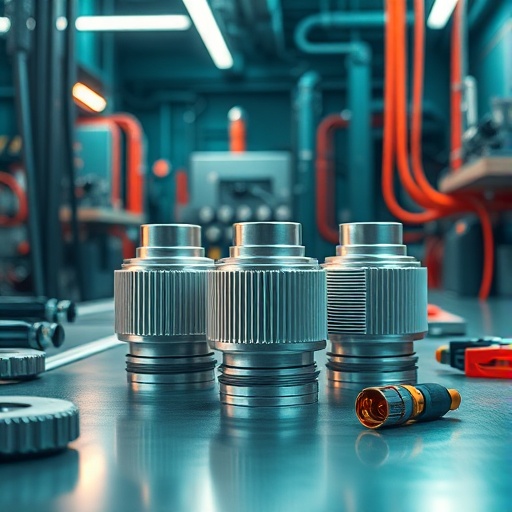
Matching a rotating electrical connector to existing wiring requires attention to pin count, wire gauge, and connector type. Mismatched interfaces create extra junctions that increase resistance and potential failure points. Engineers review cable drawings and connector specifications before ordering. Some installations need custom adapters or pigtails to bridge old and new hardware. Voltage and current ratings must align with the conductors already routed through the machine. Grounding continuity through the connector also demands verification. In retrofit projects, teams measure available space around the rotation axis to ensure the chosen connector fits without major redesign. Proper compatibility checks prevent costly rework and maintain signal integrity from the first power-up.
Understanding Rotary Electrical Contact
Rotary electrical contact quality determines both signal fidelity and power efficiency. Brush pressure, ring surface finish, and material pairing all influence contact resistance. Too little pressure allows intermittent opens at high speed. Excessive pressure accelerates wear and generates heat. Manufacturers publish resistance specifications under various load and speed conditions. Users compare these values against application requirements, especially when sensitive analog signals travel alongside power circuits. Environmental factors such as temperature, humidity, and vibration further affect contact performance. Regular resistance measurements during maintenance help detect early degradation. Understanding these variables guides selection of the correct connector grade and informs preventive service schedules.
Evaluating Performance in High-Speed Environments
High-speed environments stress every aspect of a rotating electrical connector. Centrifugal forces, vibration, and rapid temperature changes can loosen contacts or distort housings. Engineers test candidate connectors on dynamometers that replicate actual rotation speeds and duty cycles. Key metrics include contact resistance stability, temperature rise, and noise on signal lines. Units intended for continuous duty require higher brush grades and better cooling than intermittent-duty models. Sealing ratings must match the surrounding environment to keep contaminants away from contact surfaces. Documentation of test results helps justify the final choice to project stakeholders. Thorough evaluation before installation reduces the risk of production interruptions once the machine reaches full speed.
Future Trends in Rotating Electrical Connector Technology
Innovations in Design and Materials
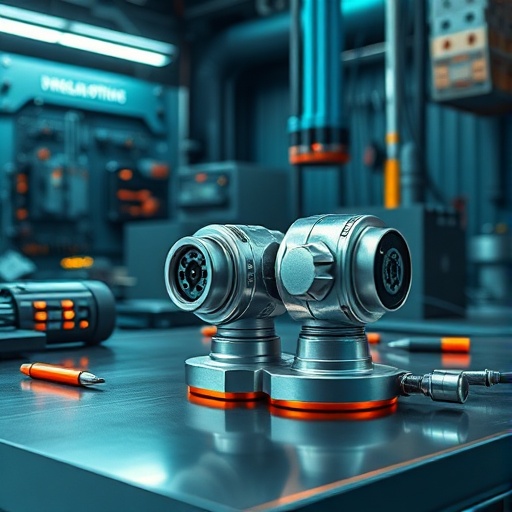
Material science continues to advance rotating electrical connector performance. New brush alloys reduce friction while improving current capacity. Advanced composites for housings offer better strength-to-weight ratios and superior chemical resistance. Additive manufacturing allows complex internal geometries that improve heat dissipation at high speed. Miniaturized connectors now pack more circuits into smaller diameters, freeing space inside compact robots. Self-lubricating ring coatings extend maintenance intervals without external grease. Designers also explore fiber-reinforced plastics that dampen vibration transmitted to contact points. These incremental improvements collectively raise the maximum reliable rotation speed and lower total ownership cost for automation users.
The Impact of Wireless Technology
Wireless technology integration shifts some functions away from physical contacts. Power transfer remains the domain of slip rings, yet data channels increasingly move to wireless links. This division reduces the number of circuits inside the connector and lowers brush wear. Future connectors may incorporate built-in wireless transceivers that communicate directly with machine controllers. Reduced circuit count also simplifies sealing and lowers the chance of contamination. Hybrid systems already appear in high-speed packaging lines where real-time vision data travels wirelessly while motor power flows through traditional contacts. Continued refinement of low-latency wireless protocols will further expand this trend across automation sectors.
Emerging Applications in Automation
New automation fields create fresh demand for rotating electrical connectors. Collaborative robots require compact, low-torque connectors that support frequent direction changes. Automated guided vehicles use connectors at steering joints to maintain power while navigating tight spaces. Medical device assembly lines need connectors rated for cleanroom environments and precise motion. Renewable energy systems integrate connectors into solar tracker drives and tidal turbine nacelles. Each application imposes unique combinations of speed, voltage, and environmental demands. Connector manufacturers respond with specialized series that address these niches while retaining core reliability. As automation expands into more industries, rotating electrical connectors remain essential components that enable unrestricted motion at high speed.