Innovative Swiss Turning Solutions for the Medical Device Industry
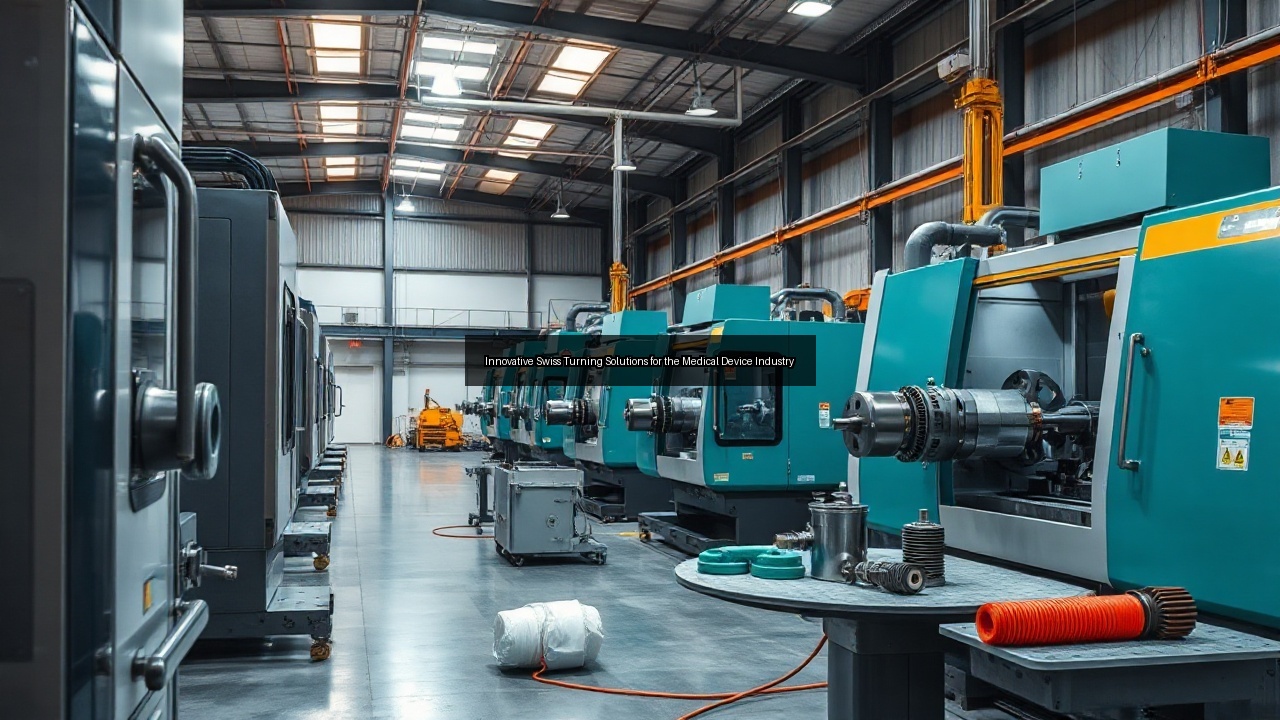
Understanding Swiss Turning Solutions
What is Swiss Turning and Its Advantages
Swiss turning refers to a specific type of machining that utilizes Swiss lathes, designed for high-precision manufacturing of small, complex parts. This process excels in producing components with intricate features and tight tolerances, essential in industries like medical devices. The primary advantage of Swiss turning lies in its ability to create parts with minimal waste and maximum efficiency. Unlike traditional machining methods, Swiss turning allows for continuous production, where raw material feeds directly into the cnc turning machining process. This method significantly reduces cycle times and enhances productivity. The ability to handle a variety of materials such as plastic, metal, and even PTFE makes Swiss turning an incredibly versatile solution for manufacturers seeking quality and precision.
Key Technologies in Swiss Turning
Swiss turning technologies encompass a range of advanced tools and machines that enhance precision and efficiency. Key elements include multi-axis CNC (Computer Numerical Control) capabilities, allowing for complex geometries and high-quality finishes. The integration of live tooling options enables simultaneous operations, such as drilling and milling, which streamlines the production process. Additionally, modern Swiss lathes feature sophisticated software for programming and simulation, improving setup times and reducing errors. These technologies facilitate the production of components with exceptional accuracy, ensuring that manufacturers meet stringent quality standards required by the medical device industry.
Comparison with CNC Machining
Swiss turning and CNC machining are both essential techniques in precision manufacturing, yet they serve different purposes. While CNC machining is versatile and can handle larger components, Swiss turning specializes in small, complex parts that require tight tolerances. The ability of Swiss machines to maintain precision during high-speed operations gives them an edge in producing intricate designs, especially in medical applications. Furthermore, Swiss turning minimizes material waste due to its continuous feed process, making it a cost-effective choice for high-volume production runs. In contrast, CNC machining often requires more extensive setup and can involve greater material loss, particularly with larger workpieces.
Applications in the Medical Device Industry
Material Considerations: Plastic, Metal, and PTFE
The medical device industry demands materials that meet strict regulatory standards while providing functionality and safety. Swiss turning services accommodate various materials, including plastics like acetal, metals such as stainless steel and copper, and specialized polymers like PTFE. Each material offers distinct advantages; for instance, PTFE is favored for its chemical resistance, while metals provide durability and strength. The choice of material often influences the design, machining processes, and ultimately, the performance of the medical devices. Manufacturers must carefully consider these elements to ensure the final product aligns with both regulatory requirements and patient safety standards.
Precision Tolerances in Medical Components
Precision tolerances play a crucial role in the manufacturing of medical components. Swiss turning excels in producing parts with tolerances as tight as ±0.001 inches, which is vital for applications such as surgical instruments and implantable devices. These exacting standards ensure that components fit together seamlessly, reducing the risk of malfunction and enhancing patient outcomes. The capability to maintain such precision stems from the advanced technology in Swiss lathes and the skilled operators who manage these machines. Effective quality assurance processes ensure that each component meets the specified tolerances consistently, reinforcing the importance of Swiss turning in the medical device sector.
Examples of Medical Devices Utilizing Swiss Turning
Swiss turning plays a pivotal role in manufacturing a wide variety of medical devices. Common examples include syringes, catheters, and surgical instruments. These devices require intricate designs and precise tolerances to function effectively and safely within the human body. For instance, the small components of a syringe, manufactured using Swiss turning techniques, must maintain strict dimensional accuracy to ensure proper dosing. Similarly, catheters often involve complex features that Swiss turning can produce with high precision, ensuring reliable performance. The adaptability of Swiss turning services to different designs makes it an invaluable asset in the medical device manufacturing process.
Quality Assurance in Swiss Turning Services
ISO Standards and Compliance
Quality assurance in Swiss turning services is paramount, especially within the medical device industry, where compliance with ISO standards is mandatory. ISO 13485, which focuses on quality management systems for medical devices, ensures that manufacturers maintain consistent quality throughout the production process. Adhering to these standards not only mitigates risks but also enhances customer trust. Companies like Hogge Precision Parts and McCormick Industries have established robust quality assurance protocols that comply with ISO standards. These practices involve regular audits, documentation, and continuous improvement initiatives that ensure the highest level of precision and quality in their Swiss turning operations.
Quality Control Tools and Techniques
Quality control in Swiss turning services employs a variety of tools and techniques to maintain high standards. Statistical Process Control (SPC) is commonly used to monitor production processes and detect variances that could impact quality. Additionally, tools like coordinate measuring machines (CMM) provide precise measurements of components, verifying compliance with design specifications. Advanced software systems also play a role in tracking quality metrics, enabling manufacturers to identify trends and implement corrective actions promptly. By leveraging these quality control methodologies, companies can ensure that every component produced meets the stringent requirements of the medical device industry.
Case Study: Hogge Precision Parts and McCormick Industries
A compelling case study highlighting quality assurance in Swiss turning services involves Hogge Precision Parts and McCormick Industries. Both companies have successfully integrated quality management systems that comply with ISO standards, ensuring meticulous attention to detail in their manufacturing processes. Hogge Precision Parts specializes in producing intricate components using Swiss turning, while McCormick Industries focuses on high-volume production. Their collaboration exemplifies how quality assurance frameworks can be effectively implemented in Swiss turning services, resulting in high-quality medical devices that meet regulatory standards and exceed client expectations. This partnership underscores the importance of stringent quality control in achieving operational excellence.
Future Trends in Swiss Turning for Medical Devices
Integration of 3D Printing and CNC Technologies
The future of Swiss turning in the medical device industry increasingly involves the integration of 3D printing and CNC technologies. Combining these methods allows manufacturers to leverage the strengths of both approaches, enhancing design flexibility and production efficiency. For example, 3D printing can produce complex geometries that are difficult to achieve with traditional machining. Subsequently, Swiss turning can refine these components, ensuring they meet precise tolerances and surface finishes. This hybrid manufacturing approach can significantly reduce lead times and costs while enabling the production of innovative medical devices tailored to specific patient needs.
Advancements in Surface Finishing Techniques
Surface finishing techniques continue to evolve, impacting the quality and performance of medical devices manufactured through Swiss turning. New methods, such as advanced coatings and polishing techniques, enhance the biocompatibility and durability of components. Technologies such as cryogenic treatment can improve the wear resistance of metal parts, making them more suitable for demanding medical applications. These advancements not only enhance the aesthetic appeal of devices but also play a critical role in their functionality and safety. Manufacturers must stay abreast of these trends to cnc turning ensure that their Swiss turning services remain competitive and aligned with industry standards.
The Role of Design in Precision Manufacturing
Design plays an integral role in the success of precision manufacturing through Swiss turning. The shift towards patient-centric designs necessitates close collaboration between engineers and designers to create components that not only meet functional requirements but also improve patient outcomes. Innovative design practices, such as utilizing finite element analysis (FEA), enable manufacturers to predict how components will perform under various conditions. This proactive approach to design enhances manufacturability and ensures that Swiss turning processes can produce parts that fulfill their intended purpose effectively. As the medical device industry continues to evolve, a focus on design will remain vital for achieving precision and advancing healthcare solutions.
See Also
- The Role of Swiss Turning in Precision Parts Manufacturing
- CNC Routing vs Swiss Turning Which Service is Right for Your Project
- The Art of Threading in Swiss Turning Services for Precision Fit
- Understanding the Impact of ISO Standards on Swiss Turning Services
- The Future of CNC Turning Services Transforming Manufacturing Efficiency